

Now, let’s dive into what makes our głodny niedźwiedź so interesting. Bears are not just hungry; they are on a mission during certain times of the year. As summer transitions into fall, these majestic creatures ramp up their food intake like it’s a pre-hibernation feast. Just like we stuff ourselves before a long road trip, bears bulk up for their winter slumber.
What drives this culinary obsession? Well, it’s their survival instinct. You can imagine it as a high-stakes game of hide-and-seek, where the prize is food. Each berry they gulp down or fish they catch is fuel for the long, cold months ahead. And let’s be honest—who wouldn’t want to feast like a bear when it comes to playing the “I want that” game?
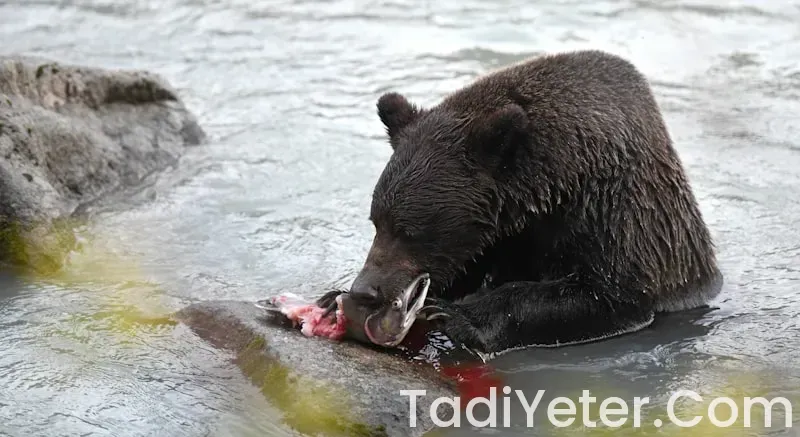
But here’s the kicker: bears have an amazing ability to adapt, switching their diets depending on what’s available. One minute, our głodny niedźwiedź is diving into a river, splashing about and catching salmon; the next, he’s foraging for nuts and roots. It’s almost like they’re culinary experts on a never-ending quest for the ultimate buffet!
So, next time you think about a hungry bear, picture our głodny niedźwiedź and his epic hunt for food in the wild—it’s nature’s version of a thrilling adventure!
Hungry Bears on the Prowl: A New Threat to Local Communities
Imagine this: you’re enjoying a peaceful evening, sipping your favorite drink, when suddenly you hear rustling outside. You peek out, and there it is—a hungry bear rummaging through your trash! Scary, right? It’s a situation many towns are facing as bears increasingly search for food in urban areas. They’re not just lost; they’re on a mission and their mission can mean big trouble for humans.
With severe winters and reduced natural food sources, these bears are looking for an easy meal, and trash bins are like a buffet to them. Who can blame them, though? When the supermarket is literally overflowing with goodies, why wouldn’t they take the easy route? It’s a bit like us after a long day at work—who doesn’t want take-out instead of cooking?
But it doesn’t stop at trash cans. Bears are getting bolder, sneaking into gardens, scoping out backyard barbecues, and even making their way into garages. Increased interactions can lead to dangerous encounters, and it’s not just the bears who are at risk. Families are feeling threatened in their own neighborhoods, and local officials are scrambling for solutions.
So, what’s the answer to this bear dilemma? It starts with awareness and responsibility. We need to understand their behavior and, more importantly, how we can coexist—without turning our homes into an open buffet for these hungry bears!
Beware! The Rise of the Hungry Bear: Conservationists Sound the Alarm
Why all the fuss, you ask? Well, more bears mean more interactions with humans, and that’s where things can get sticky. These magnificent creatures, often portrayed as cuddly giants, are actually showing up in places they shouldn’t. They’re sniffing around campsites, raiding trash bins, and, believe it or not, wandering into suburban neighborhoods! The nutritious buffet laid out by careless picnickers and unattended garbage is making these bears hungry for more. And let’s be real—who can blame them for seeking an easy snack?
But here’s the kicker: as their natural habitat shrinks due to urban development and climate change, they’re being forced to venture closer to humans. It’s a bit like us stumbling into a crowded café looking for solitude; not exactly the best scenario when tempers flare and misunderstandings happen!
From Forest to Fridge: How Hungry Bears Are Adapting to Urban Life
Imagine a fluffy, furry bear strollin’ down your neighborhood street, sniffing around for food. It’s surprising, right? These big guys are clever, and they’re not just waiting for winter hibernation anymore. They’ve learned that urban areas can be a buffet of irresistible treats—from trash cans overflowing with food scraps to backyard barbecues cooking up a feast. It’s like the world’s unintentional snack bar has been laid out just for them!
Bears are becoming savvy city dwellers, using their superior sense of smell to seek out easy meals. Instead of grappling with the natural challenges of the forest—like finding berries or hunting for small animals—they’ve discovered that a simple visit to a residential area can yield a smorgasbord of goodies. And let’s be real, who wouldn’t trade a day of foraging for a feast that requires minimal effort?

But it’s not just about food. Adapting to urban life has also pushed bears to navigate roads with ease, dodge traffic, and even blend into the hustle and bustle of city life. They’ve become more nocturnal, taking advantage of quieter nights to explore neighborhoods without much hassle. It’s a bear’s world out there, as they navigate fences, backyards, and even the occasional swimming pool!

This furry adaptation isn’t just a fun sight—it’s a reminder of nature’s resilience. As we continue to expand, these royal creatures show us that survival sometimes means stepping out of our comfort zones and making the best of what’s on the table, or in this case, what’s in the fridge!
When Hunger Strikes: The Remarkable Survival Strategies of Bears
Bears are also the ultimate food strategists. But what does that mean? Well, picture them scouting their territory like seasoned detectives, sniffing out the tastiest snacks. Their exceptional sense of smell can detect food from miles away—it’s like having a built-in GPS for gastronomy! When it’s summer, they gorge on berries, increasing their fat reserves like furry little hoarders preparing for winter. As the seasons change, so does their menu, showcasing their ability to pivot with ease.
Let’s not forget about their incredible hibernation strategy. When winter rolls in, and food becomes scarce, bears enter a magical state of deep sleep. It’s like hitting the ultimate snooze button for months! During this time, their metabolism slows down, allowing them to survive on stored fat—no takeout required. Imagine being able to hit pause on hunger without breaking a sweat!
And what about their social dynamics? Bears have a unique way of communicating about food, often using techniques like body language and vocalizations to signal their hunger or availability of food. It’s a like a bear version of Yelp, where they share hot tips about where to find the best meals.
Hungry and Determined: Bears Break into Homes in Search of Food

Bears can smell food from miles away, and when they catch a whiff of leftover pizza or the scent of barbecue wafting through the air, it’s game on! Think of the bear as nature’s ultimate scavenger, using its powerful sense of smell to hunt down buffet-style meals. It’s not just about survival; these magnificent creatures can become utterly relentless when their bellies are empty.
But why do they break into homes? Well, during late summer and fall, bears are in a frenzy preparing for hibernation—imagine a college student cramming for finals, driven by the need to stockpile knowledge (or in this case, calories). When natural food sources dwindle, the sweet aroma of human food can be irresistible. Bears have been known to claw through screen doors, slide windows open, or simply waltz through an unlocked door as if they own the place.
Feeding Frenzy: The Impact of Climate Change on Bear Hunger
Just like us, bears need to fuel up for the tougher times. As temperatures rise and weather patterns shift, the food that bears depend on can become scarce. Picture a buffet that runs out of everything good before you even sit down. With warmer summers, berries may ripen earlier and be long gone by the time bears come sniffing around, leaving them to scrounge for whatever’s left.
And it’s not just berries! The salmon runs—those epic migrations that have sustained bears for generations—are also at risk. Warmer waters can disrupt their spawning, making it harder for bears to catch that juicy fish they crave. It’s like trying to find your favorite playlist but only hitting dead ends!

On top of that, as forests change due to climate quirks, the landscape bears call home is shifting too. Imagine if your backyard turned into a desert overnight. Bears are creatures of habit, and any disruption can lead to hunger as they struggle to adapt to these new realities.
Hungry Bears and Human Encounters: Tips for Staying Safe in the Wild
First off, let’s clear the air: bears aren’t out to get you. They’re hungry, just like we are when we miss breakfast! But if they see or smell food, well, that can change things fast. So, the golden rule? Keep your food sealed and stored properly. Think of your snacks as a neon sign that says “BEAR BUFFET!” when left out. Use bear canisters or hang your food high between two sturdy trees.
When you encounter a bear, don’t panic—stay calm. It’s all about how you present yourself. Back away slowly while speaking in a low, calm voice. Picture yourself as a tree: steady and unyielding. Yelling or running? That’s the equivalent of waving a red flag in front of a bull! Instead, make your presence known and give them space.
And let’s not forget about bear spray. Carrying this powerful deterrent is like having a secret weapon. It’s your safety net in case things get hairy. Just remember to practice using it, so you’re not fumbling around when the moment strikes.
Finally, educate yourself on bear behavior. Bears can be curious creatures, and understanding why they do what they do can transform your fear into respect. Are you ready to enjoy the wild and embrace the beauty of nature with a little more confidence?
Frequently Asked Questions
What Are the Signs of a Hungry Bear?
Signs of a hungry bear include aggressive scavenging behaviors, foraging in unusual areas, and increased movement in search of food. Look for signs like overturned rocks, torn-up vegetation, or paw prints near natural food sources. Vocalizations, such as growls or huffs, may also indicate that a bear is searching for food.
What Does ‘Głodny Niedźwiedź’ Mean?
The phrase translates to ‘Hungry Bear’ in English. It can refer to a literal bear that is seeking food or be used metaphorically to describe someone who is eager or desperate for something.
Why Do Bears Get Hungry?
Bears experience hunger due to their high energy demands, especially in preparation for hibernation or during active seasons. Their diet varies based on availability and can include fruits, insects, and fish. Seasonal changes also influence their feeding patterns, as they need to accumulate fat reserves for survival during winter months.
What Should You Do If You Encounter a Hungry Bear?
If you encounter a hungry bear, remain calm and avoid sudden movements. Speak to the bear firmly and slowly back away while keeping eye contact. Do not run, as this may trigger a chase response. If the bear approaches, stand your ground and prepare to use bear spray if available. In an attack, protect yourself by curling into a ball and covering your neck. Always prioritize safety by avoiding areas known for bear activity and storing food properly in bear country.
How Do Bears Prepare for Winter When Hungry?
Bears utilize various strategies to prepare for winter, especially when food is scarce. They enter a state of hyperphagia, increasing their food intake to build fat reserves. If they are still hungry as winter approaches, they seek out high-calorie foods, such as berries and nuts, to gain the necessary weight. During this time, bears also seek sheltered locations to hibernate, which allows them to conserve energy while their bodies rely on stored fat. This adaptation helps them survive until spring, when food becomes more abundant.







Yorum bırakın